
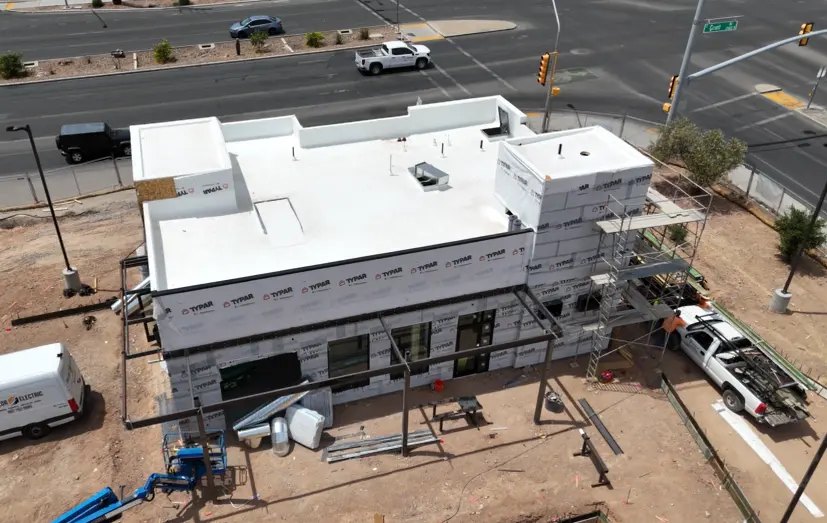
Even in a mild desert winter, Tucson roofs still face real challenges. Cooler overnight temperatures, dry winds, occasional rainfall, and frequent temperature shifts can expose weak areas in roofing systems. Over time, these conditions can allow small issues to develop into costly repairs. A professionally applied roof coating adds a protective layer that helps shield your roof from seasonal stress while extending its overall lifespan.
If you are comparing options, choosing the right roof coating material is one of the most important decisions you can make. Below is a clear, homeowner-friendly guide to the most common roof coating materials and how they perform in Tucson’s winter conditions.
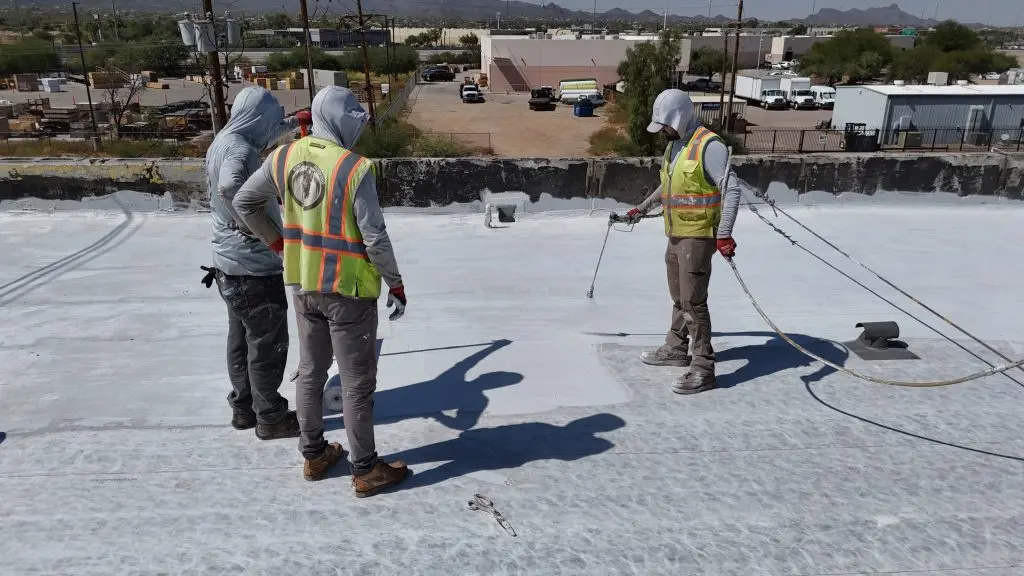
Although Tucson does not experience snow or freezing temperatures for extended periods, winter conditions can still impact roofing systems in several ways.
Temperature changes between cool nights and sunny days cause roofing materials to expand and contract. This movement can lead to cracks, seam separation, and surface wear over time. Seasonal rain can also find its way into small openings, leading to moisture damage. Even in winter, the Arizona sun continues to expose roofs to UV radiation that accelerates aging and breakdown.
A professionally applied roof coating helps address these concerns by forming a protective barrier that reduces moisture intrusion, limits UV exposure, and supports long-term durability.
Kino Roofing works with proven roof coating materials designed to perform well in desert climates. Each option offers specific benefits depending on your roof type and condition.
Elastomeric roof coatings are one of the most commonly used options in Tucson due to their flexibility and durability. These coatings are designed to expand and contract with temperature changes, making them well suited for the desert environment.
Why elastomeric coatings work well in Tucson:
This type of roof coating material is often recommended for flat or low-slope roofs and surfaces showing early signs of aging.
Acrylic roof coatings are valued for their reflective properties and ability to help improve energy efficiency. These coatings can help reduce heat absorption, even during cooler months when the sun remains intense.
Acrylic coatings are best suited for roofs where reflectivity and surface protection are priorities. Proper surface preparation and drainage are important to ensure performance and longevity.
Silicone coatings are known for their moisture resistance and are often used on roofs where water pooling may occur. Their water-resistant properties make them a strong option in areas that experience seasonal rainfall.
These coatings are commonly applied to flat or low-slope roofs where leak prevention and moisture control are major concerns. As with all coatings, proper inspection and preparation are essential for long-term success.
Polyurethane coatings are known for durability and resistance to physical wear. They are often selected when a roof requires a tougher surface or added protection against mechanical damage.
This type of coating may be appropriate for roofs that experience more foot traffic or environmental exposure, depending on the structure and usage of the building.
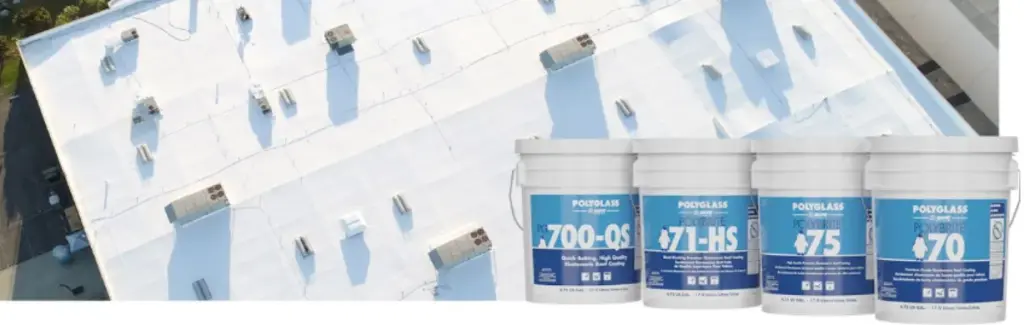
There is no single roof coating material that works best for every roof. The right solution depends on the roof’s condition, construction type, and exposure to the elements.
Roof coatings are commonly used on flat and low-slope roofs, but they may also be appropriate for other roofing systems depending on their condition. An inspection helps determine whether a coating is suitable and which material will perform best.
When selecting a coating, it is important to consider:
These factors play a major role in how well the coating performs over time.
A roof coating only performs well when applied correctly. Professional preparation includes cleaning the surface, repairing damaged areas, and applying the coating according to manufacturer specifications. Skipping these steps can reduce effectiveness and shorten the lifespan of the coating.
Common indicators include:
If you notice any of these issues, a professional inspection can help determine whether a roof coating is the right solution.
While some coatings are available as do-it-yourself products, professional application offers significant advantages. Proper surface preparation, material selection, and even application are critical to performance. A professionally applied roof coating helps ensure consistent coverage, proper adhesion, and long-term durability.
For Tucson homeowners, this level of care is especially important. Winter weather can expose weaknesses quickly, and a poorly applied coating may fail when you need protection most.
Choosing the best roof coating material for winter protection in Tucson requires understanding your roof’s condition, the local climate, and the strengths of each coating option. Elastomeric coatings remain a popular choice for their flexibility, while acrylic, silicone, and polyurethane coatings each offer advantages depending on the application.
The best results come from a professional evaluation and proper installation. With the right approach, a roof coating can help extend the life of your roof, improve weather resistance, and provide added peace of mind through the winter season.
If you are preparing your roof for winter or noticing early signs of wear, Kino Roofing can help you determine the right roof coating solution for your property. Call Kino Roofing today at (520) 653-9731 & schedule a professional evaluation to learn which roof coating material is best suited for your home and ensure long-lasting protection throughout every season.