
Your roof is your home’s first line of defense against the elements, and it plays a crucial role in ensuring both comfort and safety. Yet, with so many types of roofing materials and designs, it can be challenging to recognize potential problems. From leaks and missing shingles to poor ventilation, roofing issues can arise without warning, making it essential to stay informed.
Understanding common roofing problems is the first step in prevention, and being proactive can save you time, money, and stress. Regular maintenance and inspections can significantly reduce the risk of serious damage, but there are specific pitfalls that homeowners often fall into. In this blog post, find out the common roofing problems and discover how to avoid them, ensuring your home remains well-protected for years to come.
Common Roofing Problems in Your Home
Leaks and Water Damage
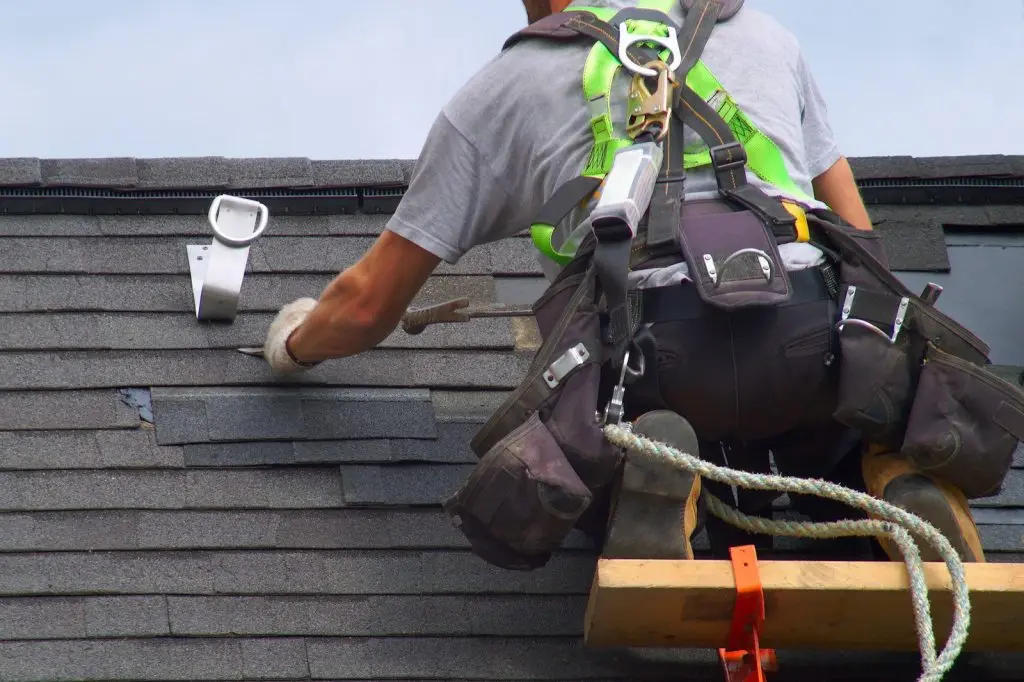
Roof leaks are one of the most common roofing problems homeowners face. Water can infiltrate your home through damaged shingles, poorly installed flashing, or even clogged gutters. Leaks can lead to water damage inside your home, causing rot, mold growth, and damage to your walls, ceilings, and insulation.
Regular roof inspections are key to preventing leaks. Inspect your roof at least twice a year and after severe weather events to spot any damaged or missing shingles. Ensure that flashing (the metal used around chimneys, vents, and skylights) is properly installed and sealed. Keep gutters clear of debris to prevent water buildup and overflows that can seep into your roof’s underlayment.
Missing or Damaged Shingles
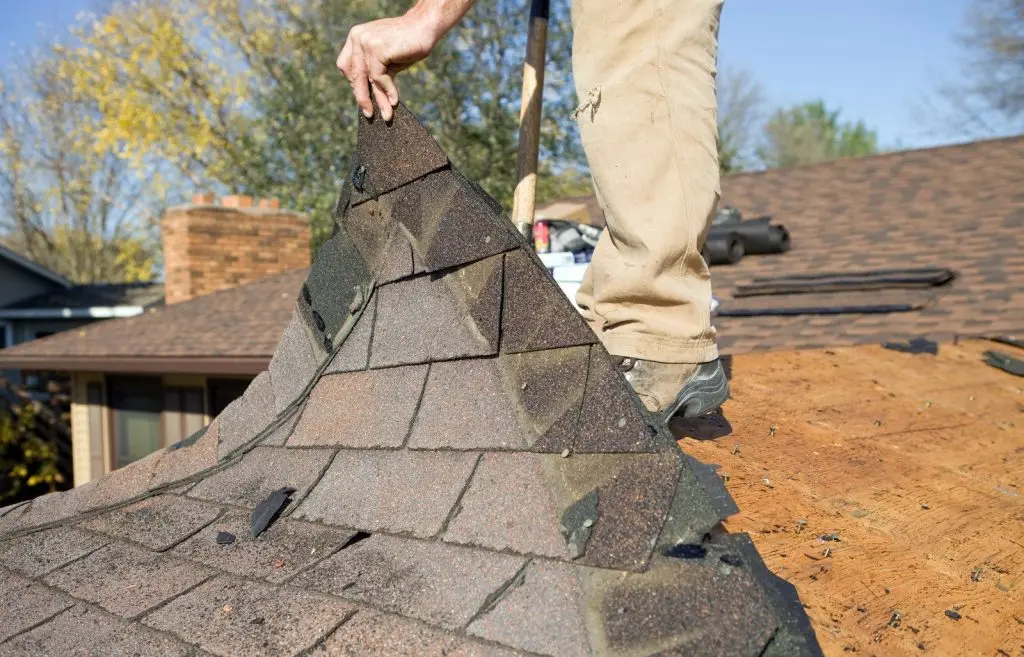
Shingles can become damaged or dislodged due to heavy winds, storms, or natural aging. Missing shingles leave your roof vulnerable to leaks, while cracked or curled shingles can allow water to seep underneath, leading to structural damage.
Regular roof maintenance can help prevent shingle damage. Inspect your roof after high winds or storms to identify missing or damaged shingles. Additionally, ensure your shingles are made of durable materials suitable for your climate. If you notice widespread shingle damage, it may be time for a roof replacement to avoid further issues.
Clogged Gutters
Gutters are designed to direct water away from your roof and foundation. When gutters become clogged with leaves, twigs, and debris, water can back up and overflow, potentially causing roof leaks, water damage to your home’s exterior, and even foundation problems.
To avoid clogged gutters, clean them at least twice a year, in the spring and fall. Install gutter guards or screens to help prevent debris from accumulating. Additionally, ensure that your downspouts are directing water at least five feet away from your home to protect your foundation.
Flashing Failures
Flashing is the thin metal material installed around roof penetrations, such as chimneys, vents, and skylights, to prevent water from entering your home. When flashing becomes damaged or improperly installed, water can seep in, leading to leaks and water damage.
During routine roof inspections, pay close attention to areas with flashing. Ensure that the flashing is secure and properly sealed. If you notice any damage, have a professional repair or replace the flashing immediately. Proper installation of flashing by a roofing professional is crucial to prevent future failures.
Poor Ventilation
Proper roof ventilation allows hot air to escape from your attic, preventing moisture buildup and regulating temperature. Poor ventilation can cause several problems, including increased energy bills, premature aging of roofing materials, and the formation of ice dams in colder climates.
Ensure your roof has sufficient ventilation by installing vents along the eaves, ridge, or soffit. This will help regulate attic temperature and prevent excessive heat and moisture from accumulating. A well-ventilated roof can extend the lifespan of your shingles and prevent issues such as mold and mildew growth.
Ponding Water
Ponding water occurs when water remains stagnant on your roof, typically due to poor drainage or a flat or low-sloped roof. Over time, standing water can weaken your roof’s structure, leading to leaks, mold, and even roof collapse in extreme cases.
If you have a flat or low-sloped roof, make sure it has proper drainage systems in place. Regularly inspect your roof for areas where water tends to pool and address any drainage issues promptly. You may need to install additional drains or re-slope sections of the roof to ensure water flows away properly.
Roof Shrinkage
Roof shrinkage refers to the contraction of the membrane layer of a roof, which is commonly found in single-ply roofing systems like EPDM (Ethylene Propylene Diene Terpolymer). Shrinkage can lead to cracking, blistering, or seams pulling apart, which may cause leaks and structural damage.
To prevent roof shrinkage, schedule regular inspections of single-ply roofing systems and address any signs of shrinkage immediately. Proper installation by a qualified roofing professional and using high-quality materials can also reduce the risk of shrinkage over time.
Tree Damage
Overhanging branches can cause significant damage to your roof by scraping the shingles or puncturing the roof during storms. Fallen branches, leaves, and debris can also clog your gutters and cause water damage.
Keep trees trimmed and away from your roof to prevent damage. Regularly inspect trees around your home and remove any dead or weak branches that could potentially fall during high winds. Maintaining a safe distance between trees and your roof can prevent accidents and keep your roof in better condition.
Moss and Algae Growth
In damp, shaded areas, moss and algae can grow on your roof, particularly on asphalt shingles. While moss may seem harmless, it can trap moisture and cause the shingles to deteriorate, leading to leaks and other roofing issues.
To prevent moss and algae growth, ensure your roof gets enough sunlight by trimming back overhanging trees. You can also install zinc or copper strips near the roof ridge to help prevent moss growth, as rainwater running over the metal strips creates an environment that’s hostile to moss. Regular roof cleaning can also help remove moss before it causes damage.
Ice Dams
Ice dams form when heat from your attic melts snow on your roof, causing the water to refreeze at the roof’s edge, where it’s cooler. This ice buildup can prevent proper drainage, causing water to back up under your shingles, leading to leaks and water damage.
Prevent ice dams by ensuring your attic is properly insulated and ventilated. This helps regulate the roof’s temperature and prevents uneven melting of snow. Installing heated cables or ice and water shields along the roof’s edge can also help minimize the risk of ice dams forming.
Protect Your Home: Identify and Prevent Common Roofing Issues Today
If you’re a homeowner in Tucson, AZ, worried about the condition of your roof, we can help! Protecting your home starts with identifying roofing issues before they become costly repairs. Our expert guide helps you spot common problems, such as leaks, missing shingles, and structural damage, ensuring the longevity of your roof and peace of mind for you and your family.
Imagine a home with a sturdy roof that stands strong against the harsh Arizona sun and monsoon rains. With our guidance, you can take proactive steps to maintain your roof’s integrity, saving you money and preventing inconvenient emergencies down the line.
Contact us today at (520) 653-9731 to request a quote!