
Why Roof Damage in Tucson Requires a Closer Look
At Kino Roofing LLC in Tucson, AZ, we know it can be hard to tell whether your roof is simply showing signs of age—or if the latest monsoon has caused more serious damage. In a desert climate where harsh UV rays and intense seasonal storms collide, roofs face unique stress that can lead to either gradual wear or sudden failure.
Helping homeowners distinguish between normal wear and storm-related issues is a key part of our service. Through regular roof inspections and transparent assessments, we help Tucson families protect their homes and their peace of mind.
Tucson’s Climate: A Roof’s Worst Enemy
Tucson homes endure a tough combination of year-round sun, dry heat, and dramatic monsoon storms. These elements can impact any roofing material—whether you have tile, shingle, metal, or a flat TPO roof.
Extreme temperatures can cause materials to expand and contract, leading to cracks or warping. Heavy rains and wind can dislodge roofing elements or expose weaknesses in flashing and underlayment. That’s why routine roof checks, especially before and after monsoon season, are so important.
Understanding Normal Roof Wear and Tear
All roofs age. Over time, exposure to the elements gradually impacts the materials, even with proper installation and care. Here’s what typical wear and tear looks like in Tucson:
Fading roof materials
UV rays from the desert sun slowly fade tile or shingle color over time. While this is a cosmetic issue, it’s a sign the surface is aging.
Minor granule loss
Shingles naturally lose granules as they age. If the loss is even and not excessive, it’s likely normal—not storm-related.
Hairline cracks in tiles
Heat expansion and age can lead to small cracks or surface wear in tile roofs. These signs often appear gradually and can be addressed with preventive maintenance.
Slight sagging or surface unevenness
Flat or low-slope roofing may develop slight soft spots or dips as underlayment ages. These need to be monitored but don’t always require major repairs.
How to Identify Monsoon Roof Damage
Monsoon damage is usually sudden and localized, often following high winds, hail, or heavy rainfall. Signs of storm-related damage include:
Interior water stains
Water spots or ceiling discoloration after a storm likely indicate moisture intrusion, often from lifted flashing or cracked tiles.
Broken or dislodged tiles
Wind can lift or snap tile edges, particularly along roof ridges or hips. Broken tiles expose the underlayment, increasing the risk of leaks.
Compromised flashing
Flashing around vents, chimneys, or skylights may peel, warp, or lift during storms. Once compromised, it allows water to enter vulnerable points.
Pooling water on flat roofs
Improper drainage or clogged outlets can lead to water accumulation after heavy rain. This speeds up material deterioration and may lead to leaks.
Impact marks from debris
Monsoon winds often carry branches or other debris that can hit and crack roofing materials. These spots are usually easy to identify with a professional inspection.
Monsoon Damage vs. Aging: Key Differences
Storm-related damage and general aging look different on a roof. Here’s how to tell them apart:
Sudden vs. gradual changes
Storm damage tends to appear quickly and is often noticed immediately after a storm. Wear and tear happen gradually over months or years.
Localized vs. uniform wear
Storm damage usually affects specific roof sections. Normal aging tends to be even across the entire roof surface.
Covered vs. uncovered damage
Insurance may cover damage from wind or hail, but not general aging or poor maintenance. Accurate inspection reports are essential for claims.
Why Early Detection Can Save You Thousands
Catching problems early often makes the difference between a minor repair and a full roof replacement. Here’s why timely inspections matter:
- You’ll prevent water intrusion that damages insulation, drywall, or electrical systems.
- Roofing warranties often require documentation of regular maintenance.
- Insurance companies may deny claims if damage is not reported promptly.
- Home value remains higher when the roof is in good condition and properly maintained.
Tile Roofing in Tucson: What Homeowners Need to Know
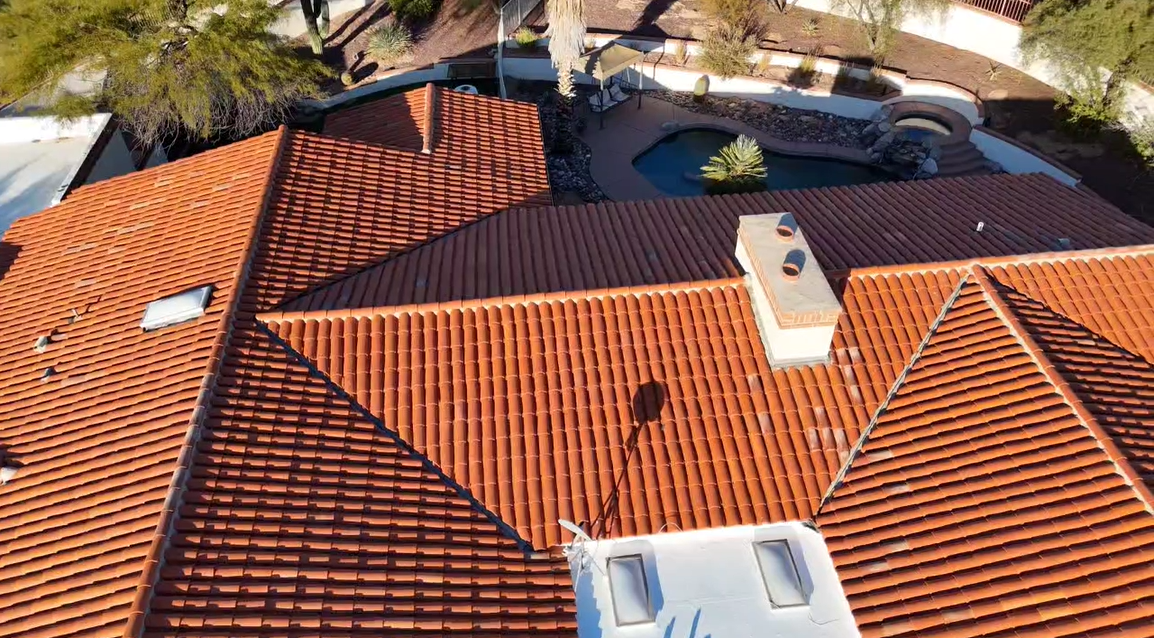
Tile roofs are a favorite in Tucson for their long lifespan and energy efficiency. But even tile needs regular care—especially after a monsoon.
Cracked or slipped tiles can expose the underlayment, which is your home’s real barrier against leaks. Underlayment must be intact for your roof to remain waterproof. We recommend checking tile alignment, verifying sealants around protrusions, and replacing cracked pieces immediately.
What to Expect From a Professional Roof Inspection
At Kino Roofing, we offer full-service inspections designed to give homeowners clarity and confidence. Here’s what our monsoon roof inspections include:
Photo documentation
We provide clear before-and-after images of any problem areas so you can make informed decisions about your roof.
Underlayment and flashing review
We examine the layers beneath your visible roof material. These are often where water first finds a way in.
Material condition report
We evaluate tile, shingles, or TPO materials for signs of cracking, wear, impact damage, or detachment.
Insurance claim support
If storm damage is confirmed, we help homeowners gather all the necessary photos and documentation needed for successful claim submission.
DIY Roof Checks vs. Hiring a Professional
While homeowners can spot obvious problems—like missing shingles or visible cracks—many forms of damage are invisible from the ground. DIY checks are a great first step, but only a licensed roofing professional can:
- Safely access and inspect your roof
- Spot hidden underlayment issues
- Identify minor flaws before they become major
- Offer repair estimates, documentation, and financing
We recommend scheduling a professional inspection once a year and after any severe storm.
Common Roofing Misconceptions
“All leaks mean I need a new roof.”
False. Many leaks are caused by small, localized issues that can be repaired.
“If my roof looks okay from the ground, it’s fine.”
Not necessarily. Problems often begin under the surface or near roof penetrations.
“I can’t afford repairs right now.”
We offer financing options and insurance claim support to make necessary repairs affordable and stress-free.
“All roof damage is covered by insurance.”
Only storm-related or sudden damage is typically covered. Aging and poor maintenance are usually excluded.
Get Ready for Monsoon Season
The best time to prepare is before the storms hit. Here are a few simple steps:
- Clear your gutters and roof drains
- Trim back overhanging branches
- Replace cracked or missing tiles
- Schedule a professional inspection early in the season
- Document your roof’s condition before and after storms
By taking these steps early, you’ll avoid stress, save money, and protect your home from seasonal damage.
Why Tucson Homeowners Choose Kino Roofing
We’re more than contractors—we’re a long-term partner in protecting your home. Kino Roofing is:
- A GAF Master Elite contractor (top 2% of roofers nationally)
- Locally owned and family operated in Tucson
- Committed to quality work with in-house crews
- Backed by premium warranties (up to 50 years)
- Experts in monsoon roof inspection, tile roofing, and storm damage repair
Our team is here to help you protect your biggest investment—your home.
Conclusion
Knowing the difference between normal roof wear and monsoon damage is essential for every Tucson homeowner. Through regular inspections, timely repairs, and long-term prevention, you can avoid costly surprises and stay protected year-round.
If you’ve noticed signs of roof aging or storm-related damage, contact Kino Roofing today. We’ll perform a thorough inspection and help you plan the next steps with confidence.
FAQs
- How often should I schedule a Tucson roof inspection?
At least once a year—ideally before and after monsoon season. - What’s the lifespan of a tile roof in Tucson?
With proper care, tile roofs can last 40–50 years. Underlayment may need replacement after 20–30 years. - Is storm damage covered by insurance?
Most wind or rain-related damage is covered, but general aging or neglect is not. - Do I need a full roof replacement after a leak?
Not always. A proper inspection can determine whether repairs are sufficient. - Why trust Kino Roofing?
We’re GAF Master Elite certified, family-owned, and focused on craftsmanship, prevention, and long-term customer care.