
Homeownership comes with a myriad of challenges, and roofing is often a top concern for many Tucson residents. The harsh desert climate can take a toll on roofs, leading to the dilemma of finding a cost-effective, durable solution. Whether you’re dealing with leaks, wear and tear, or simply considering preventative measures, understanding your options is crucial.
Deciding between roof coating and roof replacement is not just a matter of aesthetics; it involves weighing factors such as longevity, cost, and energy efficiency. Each option has its own set of advantages and disadvantages, vital to consider in Tucson’s unique climate. In this blog post, learn about the pros and cons of roof coating versus roof replacement, helping you make an informed decision for the longevity and safety of your home.
Understanding Roof Coating
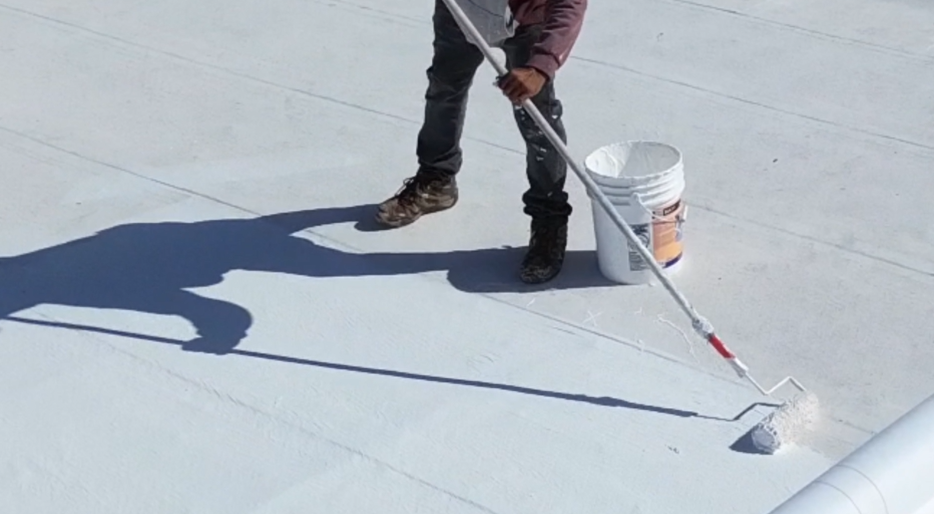
Roof coating is a protective layer applied over an existing roof to enhance its performance and longevity. Typically made from acrylic, silicone, or elastomeric materials, roof coatings create a seamless membrane that shields the roof from the elements.
Benefits of Roof Coating
Cost-Effective
Roof coating is significantly less expensive than a full roof replacement. It’s an attractive option for homeowners on a budget who want to extend the life of their roof.
Energy Efficiency
Many roof coatings, especially reflective ones, help reduce heat absorption. This can lower cooling costs during Tucson’s sweltering summers.
Quick Installation
Applying a roof coating is less time-consuming compared to replacing a roof. This minimizes disruption to your daily life.
Eco-Friendly
By extending the lifespan of your roof, roof coatings reduce the amount of waste sent to landfills from old roofing materials.
Waterproofing
Many roof coatings improve your roof’s ability to resist leaks, which is crucial during Tucson’s monsoon season.
Limitations of Roof Coating
- Not Suitable for Severe Damage: Roof coatings work best on roofs in relatively good condition. If your roof has significant structural damage, coating might not be effective.
Lifespan: While roof coatings can extend the life of a roof, they don’t last as long as a full replacement. Most coatings need reapplication every 5 to 10 years. - Limited to Certain Materials: Roof coatings are ideal for flat or low-sloped roofs and may not work well with some roofing materials.
Understanding Roof Replacement
Roof replacement involves removing the old roof and installing a new one. This process addresses both surface and underlying structural issues, providing a fresh start for your home’s protection.
Benefits of Roof Replacement
Longevity
A new roof can last 20 to 30 years or more, depending on the materials used. This makes it a long-term investment.
Structural Integrity
Roof replacement addresses underlying issues such as rot, mold, or damaged decking. This ensures the entire roofing system is sound.
Increased Home Value
A new roof can enhance your home’s curb appeal and market value, which is beneficial if you plan to sell your property.
Better Materials
Modern roofing materials often come with improved durability and energy efficiency, which can withstand Tucson’s harsh climate.
Limitations of Roof Replacement
- High Cost: Roof replacement is a significant financial investment, often costing several times more than a roof coating.
Time-Consuming: The process can take several days or even weeks, depending on the size and complexity of the roof.
Environmental Impact: Removing old roofing materials generates waste, which can contribute to landfill issues.
Factors to Consider for Tucson Homes
When deciding between roof coating and roof replacement, several factors unique to Tucson should influence your choice:
Age of the Roof
If your roof is nearing the end of its lifespan, a replacement might be the better option. A coating can be a cost-effective solution for newer roofs with minor wear and tear.
Climate
Tucson’s intense sun and monsoon rains can deteriorate roofing materials. Reflective roof coatings can help combat heat, while a replacement ensures the roof can handle heavy rains.
Roof Condition
Inspect your roof for issues like leaks, cracks, or structural damage. Roof coatings are ideal for minor issues, while severe problems may require replacement.
Budget
Your budget plays a significant role in your decision. Roof coating is more affordable upfront, but a replacement offers longer-term benefits.
Material Compatibility
Ensure your roof’s material is suitable for coating. Some materials, such as asphalt shingles, may not benefit from coatings as much as metal or flat roofs.
Professional Assessment
Before making a decision, it’s wise to consult with a roofing professional. A thorough inspection can reveal the true condition of your roof and help you weigh the pros and cons of each option. Look for a roofing contractor with experience in Tucson’s unique climate.
Conclusion
Both roof coating and roof replacement have their merits, and the right choice depends on your home’s specific needs. Roof coating is a cost-effective, eco-friendly solution for minor repairs and energy efficiency, while roof replacement offers a long-term fix for more severe issues. By evaluating your roof’s condition, budget, and goals, and consulting with a roofing professional, you can make an informed decision that protects your home and enhances its value in Tucson’s challenging climate.
Contact us today to learn more about roof coating and roof replacement and which one is best for your home.